
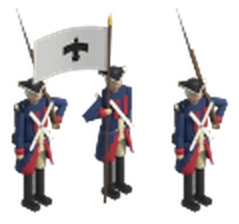
Infantry
Musketeers
The iron ramrod: they fire almost 40% more often, but each volley is weaker.
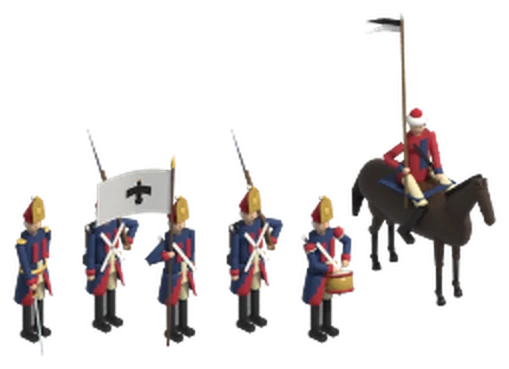
III. Protectorate
The iron ramrod and Seydlitz’s cuirassiers
The iron ramrod: musketeers fire almost 40% more often, but each volley is weaker. Seydlitz’s cuirassiers renew their charge sooner, while field jägers, Bosniaks and horse artillery give the army reach and speed. Recruiting foreigners comes at a price: musketeers and cuirassiers cost 15% more.
9 unit types
Infantry
The iron ramrod: they fire almost 40% more often, but each volley is weaker.
Anti-cavalry
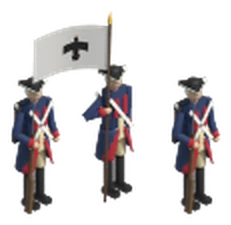
Bayonets instead of pikes: +300% against cavalry at once, with nothing to set up.
Cavalry
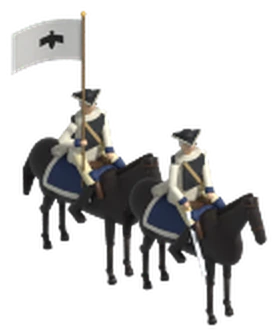
Renew their charge sooner and can take more punishment, but cost 15% more.

Artillery
Heavy 12-pounders that Frederick took from his fortresses and brought into the field at Leuthen (1757).
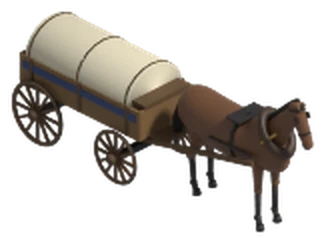
Supply
Hauls Red Saltpetre to your Headquarters on its own. Saltpetre pays for infantry and guns.
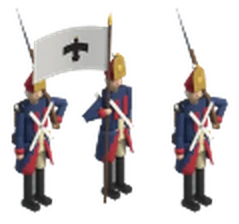
Infantry
Holds formationAn elite in mitre caps: the fastest volley of any guards, and a flank attack does not break them.
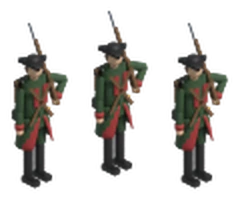
Infantry
Rifles: they hit formations and guns from afar, but reload slowly and cannot withstand a charge.
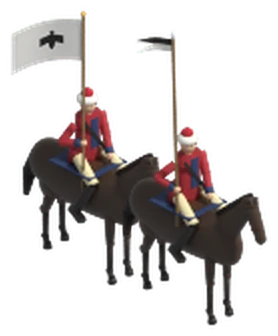
Cavalry
Light lancers for raiding guns and baggage trains. From the flank they hit ×2.8.
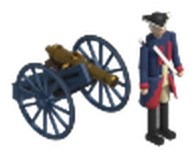
Artillery
Lighter 6-pounders that keep up with the cavalry. The first artillery of its kind in Europe (1759).
Superweapon
charges in 2 min 50 s
Prussia struck Ephraimites with captured Saxon dies in 1756–1763.
No aiming needed. Debased coin floods the enemy’s market: they lose 40% of their gold, 600 at most. Your treasury gains 150 plus half of that loss.